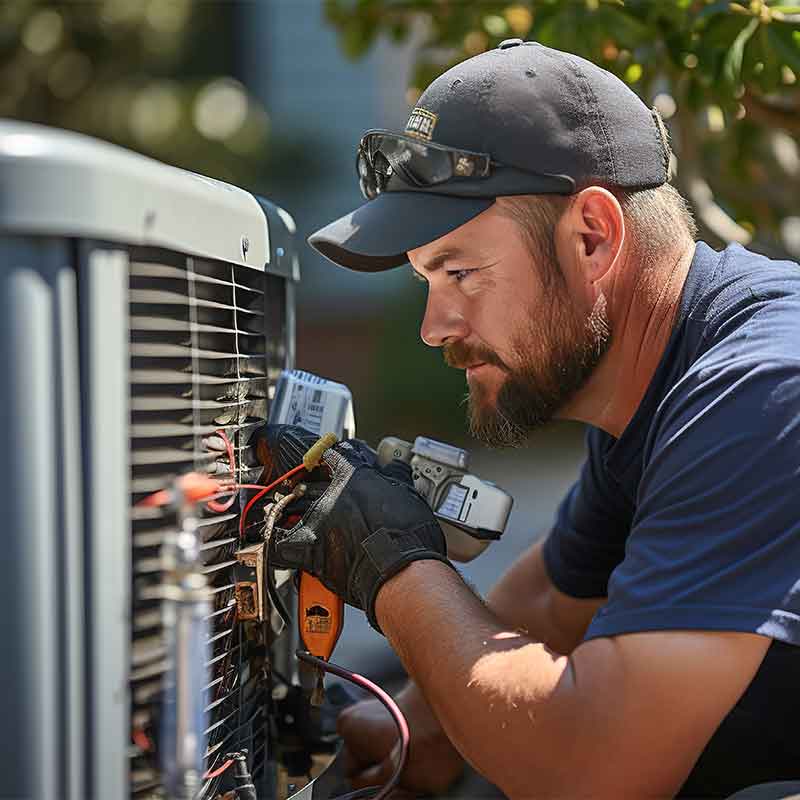
Furnace Repair Decisions That Keep Homes Comfortable All Season
Homeowners facing a shaky furnace benefit from a clear plan that starts with assessment. Begin by logging symptoms such as short cycling, unusual odors, or uneven rooms, then verify filter condition and thermostat settings. Small clues often point to larger issues. Documenting run times and noises can help a pro isolate problems faster, saving return trips. Meanwhile, consider household priorities like comfort zones, noise limits, and energy use to guide repair choices.
Next, scope the system beyond the cabinet. Ducts, registers, and returns influence heat delivery and can mask furnace performance. Inspect visible ductwork for gaps or crushed sections, and validate that supply and return pathways are unobstructed by furniture. If you have add-ons like humidifiers or air cleaners, confirm they’re maintained. Beyond that, review recent electrical work or remodeling that could affect airflow or wiring to the equipment.
Budgeting wisely means phasing work where it matters most. Start with safety-critical items such as gas valves, ignition systems, and heat exchangers, then stage comfort and efficiency upgrades as funds allow. In practice, replacing a failing inducer or pressure switch may restore reliable operation without a full overhaul. Aligning repair depth with equipment age and warranty status prevents overspending on units nearing the end of their lifecycle.
Seasonal timing shapes both cost and comfort. Repair demand spikes during the first deep cold, so planning inspections during shoulder seasons can buffer schedules and reduce downtime. Often, a preseason check catches loose electrical connections, weak capacitors, or dirty flame sensors before they strand a household on a freezing night. Then, if parts are needed, suppliers typically have better stock before peak rushes drain inventories.
Quality control hinges on methodical testing. Technicians should measure static pressure, temperature rise, and combustion parameters to validate safe operation. Calibrate thermostats and confirm staging or modulating functions if equipped. Document readings at start-up and under steady load, and keep those records for future reference. That log becomes your baseline to detect drift over time, prompting smaller adjustments instead of disruptive emergency repairs.
Vendor fit matters for both residences and light commercial spaces. Look for teams that can handle HVAC and related trades, since furnaces live at the intersection of airflow, gas, and power. Electrical Installation and Repair, duct sealing, and Indoor Air Quality Services frequently touch a heating call. A provider with parts access and 24-hour response options can reduce risk when weather turns, even if you prefer routine visits most of the year.
System compatibility is another checkpoint when considering upgrades around a repair. Ductless AC Installation may share electrical circuits or control strategies with existing systems, and Home Automation platforms can influence thermostat logic. Validate that any smart controls play nicely with your furnace board and safeties. When in doubt, ask to bench-test integrations before finalizing, so you avoid nuisance lockouts or short cycling after a software update.
Maintenance planning keeps fixes from repeating. Replace filters on schedule, clean condensate traps, and verify vent terminations stay clear of leaves or snow. Inspect flame sensors and igniters annually, and refine blower settings to match duct capacity. Meanwhile, schedule a mid-season check if the furnace runs continuously during a cold snap. Catching early vibration or bearing noise can avert more expensive blower or inducer failures.
Sometimes a repair visit reveals adjacent needs. Heating installation and repair may dovetail with AC installation and repair when shared blowers and controls cross over. Plumbing Installaiton and repair tasks may arise around condensate routing or nearby fixtures, and a Water Heater, dishwasher garbage disposal installation appointment can be timed with heating work to minimize household disruption. Sequencing projects this way reduces labor overlap and shortens overall downtime.
Finally, decide between repair and replacement using lifecycle thinking. Validate heat exchanger integrity, check for obsolete parts, and compare the total of near-term fixes against the value of newer equipment. If repair wins, ensure a clear closeout: labeled shutoffs, updated service stickers, and a simple operating guide. If replacement makes sense, request a staged plan that phases demolition, installation, and commissioning to maintain heat as much as possible.